

Insurance Built for Ontario Restaurants.
Commercial insurance for restaurants, cafés, bakeries, takeout and quick-service businesses across Ontario. Work with a commercial broker who understands the questions restaurant insurers actually ask.
No obligation to request a quote. Coverage and eligibility are subject to insurer underwriting.
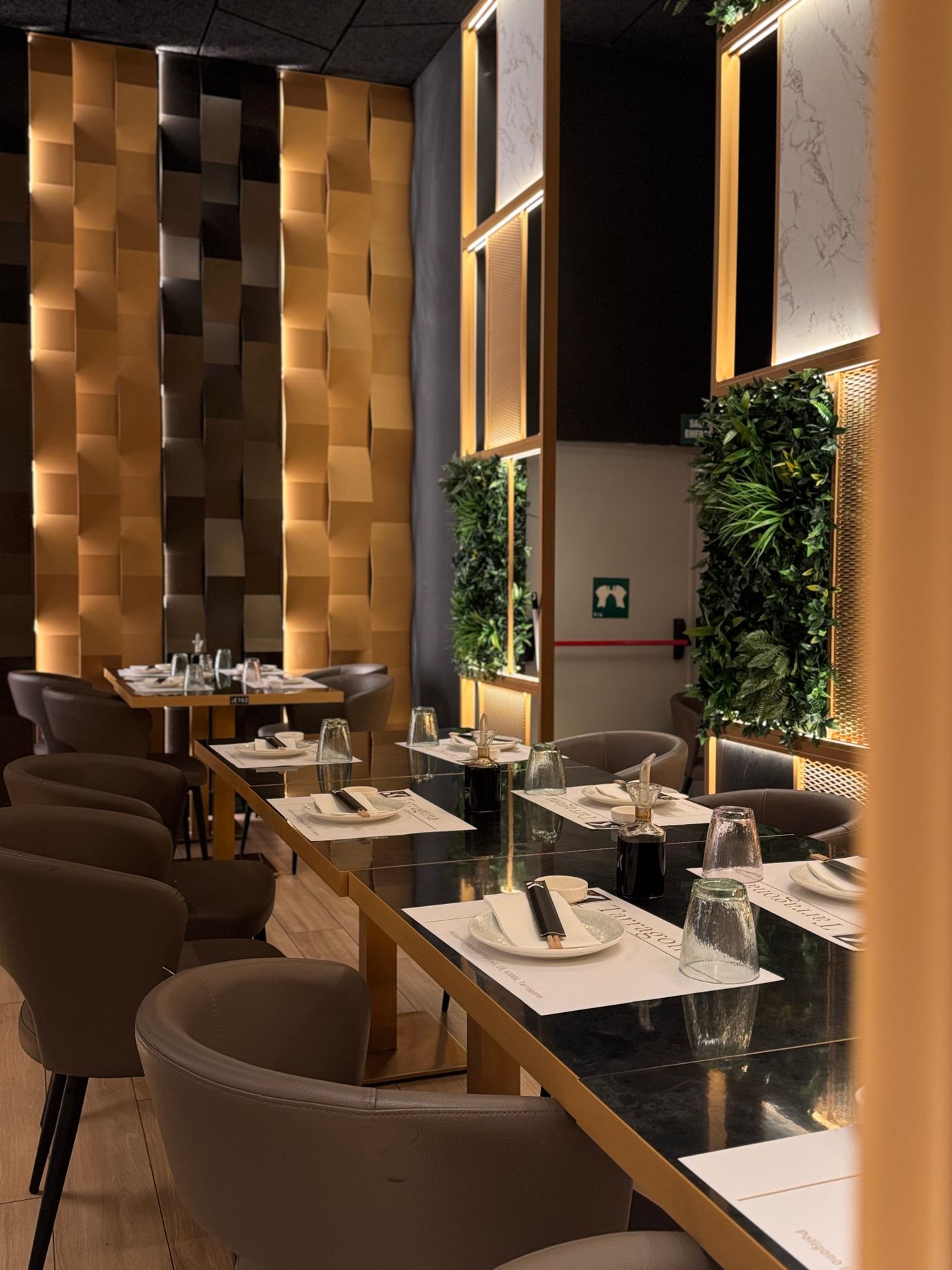
Built for foodservice businesses, not a generic “business insurance” funnel.
Restaurant insurance depends heavily on how the business actually operates. We gather the details that matter so your submission starts with the right information.
Dine-in operations with commercial kitchens and customer seating.
Pizza, fast-food, takeout and other high-volume food operations.
Foodservice operations with equipment, customer and property exposures.
Retail and commercial bakery operations with ovens and equipment.
Restaurant franchisees with landlord and franchisor requirements.
Start the process before your insurance becomes urgent.
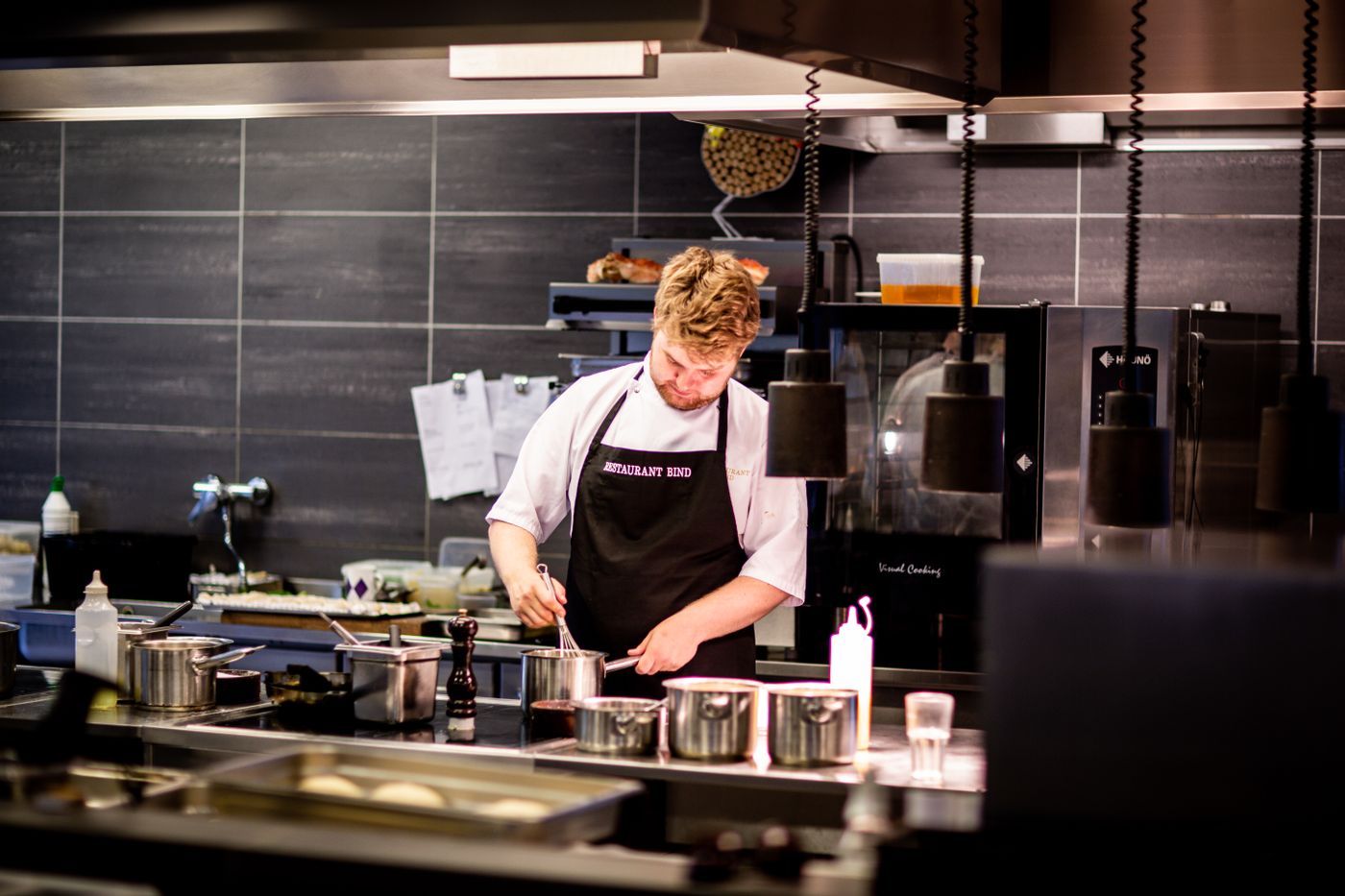
The kitchen can change everything.
A café using countertop appliances presents a very different insurance exposure from a restaurant operating deep fryers, grills, woks and commercial exhaust systems.
Restaurant insurers commonly want detailed information about cooking equipment, hood systems, fire suppression and maintenance. Getting those details right upfront can make the underwriting process much smoother.
Protection designed around the operation.
Coverage varies by insurer and risk, but restaurant packages may include several different types of protection.
Commercial General Liability
Protection for certain third-party bodily injury, property damage and insured liability claims.
Commercial Property
Coverage may include contents, equipment, inventory, tenant improvements or the building itself where applicable.
Business Interruption
Coverage may help with certain lost income and continuing expenses following an insured loss.
Equipment Breakdown
Refrigeration, electrical and mechanical equipment are critical to day-to-day restaurant operations.
Food Spoilage
Depending on the policy and cause of loss, eligible food inventory losses may be covered.
Additional Coverage
Cyber, crime, commercial auto and other coverage may be considered depending on the business.
Restaurant insurance without the runaround.
Tell us about your restaurant.
Complete our restaurant-specific intake so we understand the business, cooking, sales, property and insurance history.
Your broker reviews the risk.
We review the information and determine which available Ontario commercial insurance options may fit.
Review your options.
If eligible options are available, your broker can explain the pricing, coverage, limits and deductibles.
What will we want to know?
You do not need every answer before contacting us. These are simply some of the details restaurant insurers may require.
Don't wait until the certificate is due tomorrow.
Opening a New Restaurant
Insurers may review the owners' experience, projected sales, cooking methods, building details and planned operations.
Your Renewal Is Coming Up
Starting early gives your broker more time to gather underwriting information and review available options.
Signing a Commercial Lease
Landlords may require specific liability limits, certificates of insurance or additional insured wording.
Local enough to understand the GTA. Licensed across Ontario.
Verdant Insurance is based at 675 Cochrane Drive in Markham and works with eligible commercial clients throughout Ontario.
Ontario Restaurant Insurance FAQ
What insurance does a restaurant need in Ontario?
Coverage depends on the restaurant and its operations. Commonly considered coverages can include commercial general liability, commercial property, business interruption, equipment-related coverage and other protection appropriate to the risk.
How much does restaurant insurance cost in Ontario?
There is no single restaurant insurance price. Premium can be affected by annual sales, cooking methods, fire protection, property values, alcohol sales, claims history and the coverage being purchased.
Does cooking equipment affect the cost of restaurant insurance?
Yes. Deep fryers, grills, ranges, woks and other commercial cooking equipment can materially affect the fire and property exposure considered by insurers.
Can Verdant insure a new restaurant?
Insurance may be available for eligible new ventures. Underwriters may request information about the owners' experience, projected revenue, cooking methods, property and planned operations.
What if my restaurant serves alcohol?
Alcohol service should be disclosed to the insurer. Eligibility depends on the operation, including the amount of alcohol sales and other underwriting factors.
Can you help with landlord insurance requirements?
Commercial leases commonly contain insurance requirements. These may include liability limits, proof of insurance and additional insured requirements that your broker can review.
Does Verdant only insure restaurants in Markham?
No. Verdant Insurance is based in Markham and serves eligible commercial clients throughout Ontario.
Tell us about your restaurant.
Complete our commercial restaurant insurance intake and a Verdant broker can review your operation and available options.